Weapon Detection: Owning, Leasing, or Renting
In the wake of increasing concerns about gun violence in schools, enhancing school security has become a top priority for K12 institutions. One crucial aspect of this is implementing effective weapon detection systems. When used effectively, schools have seen an extensive increase in overall safety. According to Campus Safety Magazine (2025), “The total number of incidents that happened in Lee County schools dropped 39% last year compared to 2023” following the implementation of advanced weapons detection technology (Campus Safety Magazine, 2025). When it comes to acquiring such systems, schools are faced with a decision: whether to rent or own the equipment. This blog explores the benefits of both options, helping schools make an informed decision that aligns with their school safety goals and budget.
Understanding the Options & Proper Terminology
Before diving into the comparison, it’s essential to understand what renting and owning a weapon detection system requires and the proper terminology to understand what is being purchased.
-
- Owning a Weapon Detection System:
- Owning: Owning means purchasing the school weapon detectors or portable weapon detection systems outright. This gives the school full control over its school security policy and campus layout. Ownership signals a permanent commitment to school shooting prevention strategies and reassures families that student safety technology is a fixed part of the environment.
- Owning a Weapon Detection System:
- Renting a Weapon Detection System:
-
-
- Renting: renting typically offers short-term arrangements with less stability but more freedom. Short-term arrangements can also fall under a “rent-to-own” program with some companies, which is the most favorable renting option. Another rental scenario includes customers who do not normally have a demand for a weapon detection unit, choose a short-term rental for a singular event.
-
- Leasing a Weapon Detection System
-
-
- In the school security industry, leasing is often referred to as “licensing.” These words are interchangeable.
-
- Leasing a Weapon Detection System
-
- Licensing: Licensing is a subscription model, usually in the form of a renewable annual fee for the use of security screening equipment. It often includes maintenance, upgrades, and support, making it a form of security as a “subscription service”.
Owning Weapon Detection Systems
While renting has its advantages, owning a weapon detection system also offers several benefits.
- Cost Savings: owning the system means that there are no ongoing rental fees or licensing fees. Overall, renting or leasing can cost significantly more than outright ownership for long-term needs. Overall making ownership the more economical option for many K12 schools.
- Control and Customization: Owning the equipment gives schools full control over the system, allowing for customization to meet specific security needs.
- No Rental Constraints: Ownership removes concerns about rising rental fees, pricey contract renewals, or provider availability, ensuring uninterrupted school entrance security and giving them the freedom to use the system as they see fit.
- Asset Ownership Value: Once purchased, the system becomes a long-term asset for the school. Owning systems ensures school leadership is directly responsible for performance and maintenance, which can enhance trust among parents, staff, and students
As Megan Scherger, Customer Success Manager, notes, “renting or licensing a weapon detection system is investing into a lack of ownership with no end result.”
This perspective highlights why many schools see long-term value in ownership. While renting has its short-term advantages, owning a weapon detection system also offers long term security in addition to adding reassurance to families within the school’s community.
Renting Weapon Detection Systems
Renting weapon detection systems offers several advantages, particularly for K12 schools with limited budgets or adapting security needs.
- Lower Upfront Costs: Renting eliminates the need for a large initial investment, making it more accessible to schools with constrained budgets.
- Flexibility: Renting allows schools to adjust their security measures as needed, scaling up or down in response to changing circumstances.
- Event-Ready Security: Renting allows schools to quickly deploy portable weapon detection systems for short term temporary needs such as sports events, graduations, or community gatherings, enhancing school entrance security when it matters most. A 6-week pilot in 2024 showed reduced behavioral issues, improved attendance, and stronger sense of safety (Salem-Keizer SD, 2024).
- Improved Community Confidence: Demonstrating investment in school entrance security, even though rentals, reassures parents and staff that safety is prioritized.
Licensing Weapon Detection Systems
Licensing weapon detection systems gives schools a middle ground between renting and owning. It acts as an extension to the short-term “subscription” style a rental would allow.
- Loss of asset equity: When you own the equipment it’s a capital asset on the balance sheet. Licensing gives you no resale value or residual asset to sell or depreciate.
- Limited control over updates and pace: With a license the vendor controls feature releases and timing, which can delay the rollout of needed fixes or capabilities.
- Data ownership and privacy concerns: Licensed systems commonly store data on vendor servers. That raises questions about who owns the detection data, how long data is retained, and regulatory compliance.
- Hidden fees and contract complexity: Extra charges for support tiers, extra sensors, data exports, or training often sit outside headline license fees.
- Licensing does not signal a permanent commitment to school shooting prevention strategies and does not reassure families that student safety technology is a fixed part of the environment.
Considerations for K12 Schools
When deciding between renting and owning a weapon detection system, K12 schools should consider several factors, including their budget, security needs, and long-term plans. It’s also crucial to evaluate the total cost of ownership and consider how security as a service models can support their goals.
Conclusion
The decision to rent or own a weapon detection system is significant for K12 schools aiming to enhance their school security. Both options have their merits, and the best choice depends on the school’s specific circumstances, priorities, and resources. By carefully considering the benefits and drawbacks of each option, schools can make an informed decision that supports their commitment to student safety and school violence prevention.
Why CEIA OPENGATE® Is the Best Choice for K12 Schools
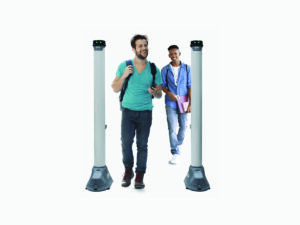
For schools seeking a reliable solution, CEIA OPENGATE delivers speed, accuracy, and safety with minimal disruption.
- Advanced Threat Detection: High sensitivity and reliability for effective security threat detection.
- Seamless Experience: Designed for user friendly operations with minimal training and a non-intrusive experience for students and staff.
- Low Maintenance: Minimal maintenance needs to ensure continuous operation due to top level technology & hardware.
- Compliance: Meets international security standards for peace of mind.
- Enhanced Safety: Creates a safer environment for learning and school activities.
By integrating CEIA OPENGATE, K12 schools can significantly enhance their security protocols and provide a secure learning environment.
References
Campus Safety Magazine. (2025, May 15). Florida district says weapons detection technology is reducing school incidents. Campus Safety Magazine. Retrieved October 21, 2025, from https://www.campussafetymagazine.com/news/florida-district-says-weapons-detection-technology-is-reducing-school-incidents/168525/
Salem-Keizer School District. (2024, September). Weapon detection system pilot. Retrieved from https://salkeiz.k12.or.us/students-families/safe-welcoming-schools/safety-systems/weapon-detection
Gallery