
Rivalry Game Security: How Weapon Detection Strengthens Campus Safety During High-Intensity Matchups
Rivalry games in NCAA games, including basketball and football bring record attendance, elevated emotions, and compressed entry timelines. For universities, this combination increases operational complexity and reinforces the need for strong sports venue security and campus event safety planning.
During high-intensity matchups, institutions must balance excitement with proactive security. One important layer of a modern arena security strategy is weapon detection at controlled entry points, supported by federal guidance and spectator safety research.
Why Rivalry Games Require Enhanced Security Planning
High-attendance rivalry games create distinct security challenges compared to typical events:
- Large crowds arriving within short time windows
- Elevated emotional intensity and crowd energy
- Broader public attendance beyond the campus community
- Expanded media visibility and reputational exposure
The Cybersecurity and Infrastructure Security Agency (CISA) emphasizes that securing public gatherings requires layered protective measures, visible deterrence, and coordinated access control (CISA, n.d.). Similarly, FEMA’s special events contingency planning guidance highlights the importance of coordinated screening procedures, law enforcement integration, and structured incident response planning for mass gatherings (Federal Emergency Management Agency [FEMA], n.d.). Rivalry games align directly with these federal mass gathering risk considerations.
The Role of Weapon Detection in Sports Venue Security
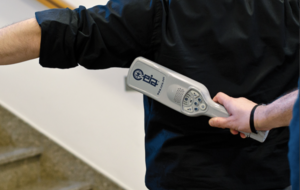
Modern weapon detection systems for arenas and stadiums support deterrence, prevention, and operational management during high-attendance events. Federal guidance notes that screening technologies and access control measures may be incorporated into broader layered security strategies to reduce vulnerabilities in crowded environments (CISA, n.d.).
For rivalry matchups where thousands of fans may enter within a short time before tip-off, structured screening supports both safety objectives and operational efficiency.
Crowd Dynamics and Risk Management in Collegiate Athletics
Research from the National Center for Spectator Sports Safety and Security (NCS4) at the University of Southern Mississippi underscores the importance of event-specific risk assessments for sporting events with fluctuating crowd intensity (NCS4, n.d.). Rivalry games introduce elevated emotional engagement, which can increase unpredictability in crowd behavior.
Structured entry screening helps create a secure transition between public spaces and ticketed venue environments. Industry guidance from the International Association of Venue Managers (IAVM) also reinforces the role of professional security protocols in protecting attendees at large public venues (IAVM, n.d.).
Layered Security for Rivalry Game Safety
Federal public gathering guidance recommends that security plans include coordination with local authorities, defined emergency response procedures, visible security presence, and controlled entry processes (CISA, n.d.; FEMA, n.d.). Weapon detection supports this layered framework by adding a preventative screening measure while preserving operational flow during high-attendance games.
Why CEIA OPENGATE Is the Best Choice for University Sports Venues
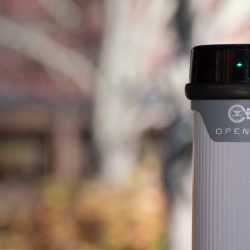
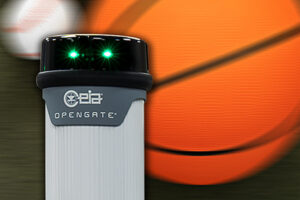
For universities seeking a reliable, efficient, and non-intrusive solution, CEIA OPENGAT® delivers speed, accuracy, and safety with minimal disruption which makes it ideal for high-energy collegiate environments.
- Advanced Threat Detection: High sensitivity and reliability for effective detection of potential security threats.
- Versatile & Portable: Detects a wide range of metallic threats, and includes capabilities to adapt to specific security needs. Despite its advanced capabilities, OPENGATE weighs only 25 lbs, compared to other systems that can reach up to 350 lbs.
- Seamless Experience: Designed for user-friendly operation with minimal training and a non-intrusive experience for fans, students, and staff.
- Low Maintenance: Built with top-tier technology and hardware, requiring minimal upkeep for continuous operation.
- Compliance: Meets many international security standards, providing peace of mind for campus administrators.
OPENGATE: Providing a Layered Approach to Gameday Security
Rivalry games represent passion, tradition, and institutional pride, but they also demand evidence-based safety planning grounded in federal guidance and venue management research. By integrating CEIA OPENGATE into their sports venue security strategy, universities can strengthen campus safety, streamline entry operations, and maintain the excitement that makes college sports unforgettable.
With its advanced detection capabilities, portability, and seamless user experience, OPENGATE empowers universities to protect their communities while preserving the energy and tradition that define every rivalry game.
References
Cybersecurity and Infrastructure Security Agency. (n.d.). Securing public gatherings. U.S. Department of Homeland Security. https://www.cisa.gov/topics/physical-security/securing-public-gatherings
Federal Emergency Management Agency. (n.d.). IS-15: Special events contingency planning for public safety agencies. U.S. Department of Homeland Security. https://training.fema.gov/is/courseoverview.aspx?code=IS-15.b
International Association of Venue Managers. (n.d.). Safety and security resources. https://www.iavm.org/professional-development/safety-security
National Center for Spectator Sports Safety and Security. (n.d.). Research and resources. University of Southern Mississippi. https://ncs4.usm.edu
Gallery